
₹0


MRP (Inclusive of taxes)
MRP ₹ (Incl. of all taxes)
Couldn't load pickup availability
Product Description
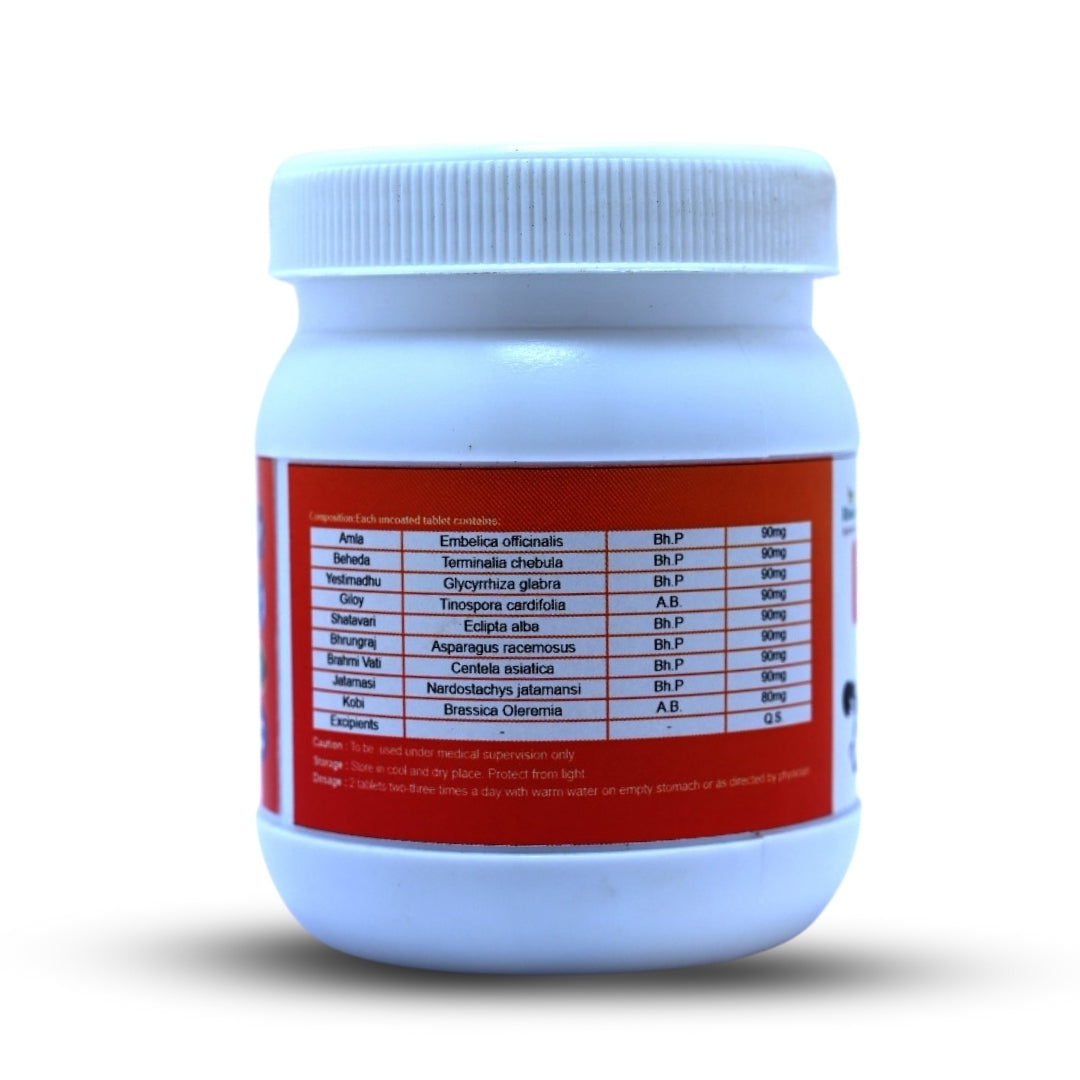
Tarushi Formulations Tarushine Tablets are thoughtfully formulated to support your hair care routine. Enriched with the goodness of natural ingredients like Bhringraj, Brahmi, Jatamansi, Amla, Giloy, and Yastimadhu, these tablets promote overall hair wellness. Designed to help maintain healthy hair, these tablets may assist in improving hair texture and vitality. A natural approach to hair care for those looking to elevate their daily wellness regimen.
Ingredients
Bhringraj, Brahmi, Jatamansi, Amla, Giloy, and Yastimadhu
Dosage
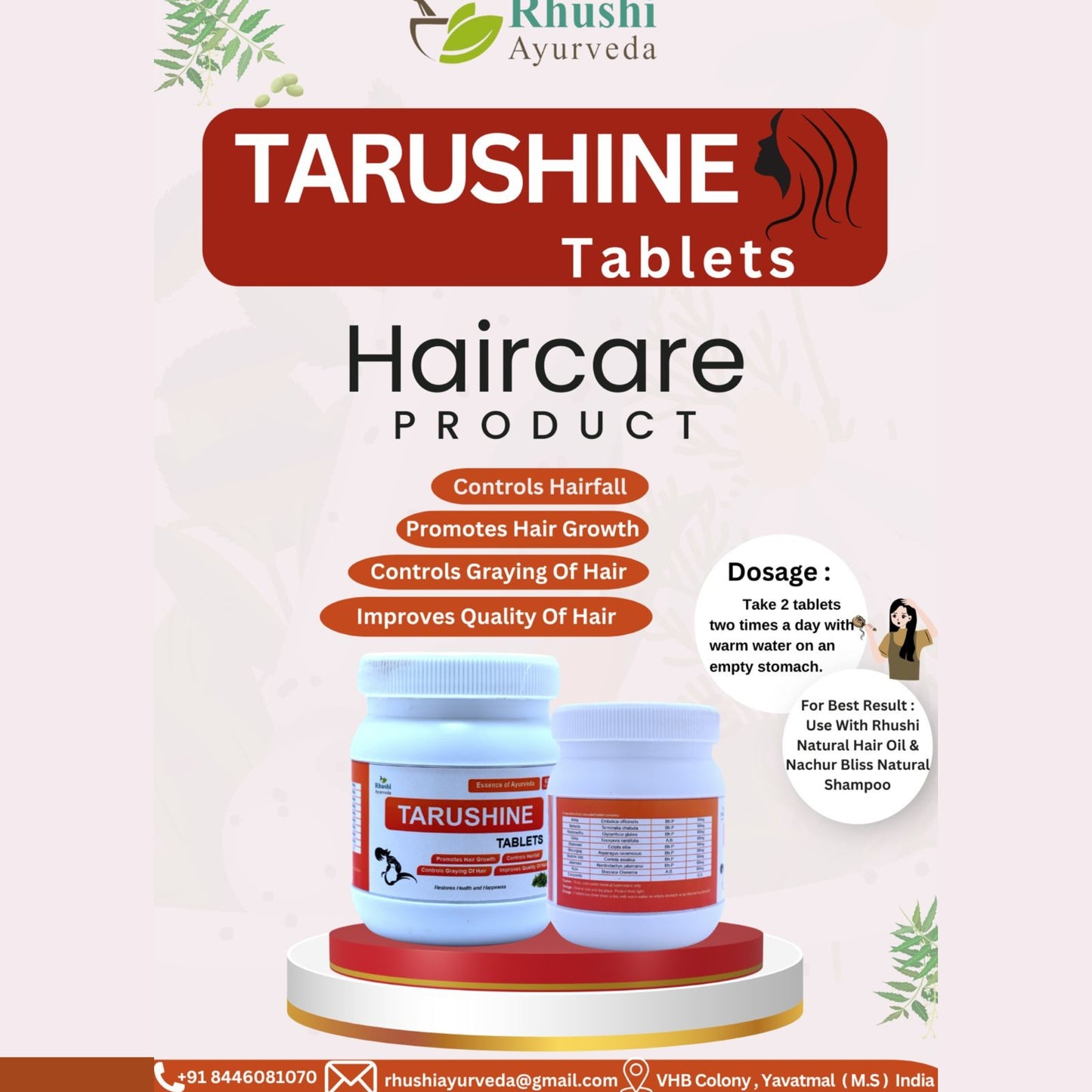
2 Tablets twice/thrice a day with warm water on empty stomach or as directed by physician.
Key Benefits
Promotes Healthy Hair – Helps maintain strong, nourished hair with natural herbal ingredients.
Boosts Hair Vitality – Supports hair growth and overall vitality for a fuller look.
Enhances Hair Texture – Improves the smoothness and softness of your hair with daily use.
Natural and Chemical-Free – Formulated with Ayurvedic herbs, free from harmful additives.
Holistic Hair Care – Combines Bhringraj, Amla, and other traditional herbs for complete hair wellness.
Frequently Asked Question
Q1. How long do I need to take Tarushine Tablets before seeing a real difference in hair fall and hair quality?
ANS: Most people notice reduced shedding and improved hair texture within 6–8 weeks, but visible improvement in hair density and thickness typically requires a consistent course of 3–5 months — Ayurvedic Rasayana herbs like Bhringraj and Amla work cumulatively by rebuilding the body's tissue quality rather than providing immediate results. Stopping early is the most common reason people feel these tablets "didn't work."
Q2. Can Tarushine Tablets actually help with premature greying, or only hair fall?
ANS: Yes — Bhringraj and Jatamansi (Spikenard) are among Ayurveda's most documented herbs for delaying premature greying by supporting melanin synthesis in hair follicles and reducing the excess Pitta that causes early depigmentation. Amla's high Vitamin C and antioxidant content further supports melanin production, making Tarushine specifically relevant for people whose grey hairs are appearing earlier than expected.
Q3. I have a thyroid condition — is it safe to take Tarushine Tablets alongside my thyroid medication?
ANS: Brahmi (Bacopa monnieri) and Giloy (Tinospora cordifolia) can mildly influence thyroid activity, which could interact with levothyroxine or antithyroid medications and require dosage monitoring. Patients on thyroid medication should inform their endocrinologist before starting Tarushine Tablets, and regular TSH checks while on the course are advisable.
Q4. My hair fall is due to PCOD — will Tarushine Tablets address hormonally triggered hair loss?
ANS: Giloy (Guduchi) has immunomodulatory and hormonal balancing properties that can indirectly help with PCOD-related inflammation and androgen excess, both of which contribute to hair thinning. However, for PCOD-driven hair loss, Tarushine works best as a supportive supplement alongside targeted PCOD management — pairing it with Shatavari or a dedicated PCOD formula would produce a more complete result.
Q5. Can Tarushine Tablets and Tarushi Hair Nourishing Oil be used together — or is one enough?
ANS: The two work through completely different pathways — the tablets nourish hair follicles from within through blood circulation and systemic Rasayana action, while the oil works topically on the scalp and hair shaft. Using both together is the gold-standard Ayurvedic approach and produces significantly better results than either alone.
Q6. Will Tarushine Tablets cause any side effects — I've heard Brahmi can cause drowsiness?
ANS: Brahmi (Bacopa monnieri) has mild sedative and nervine properties, so taking the tablets close to bedtime rather than in the morning can prevent any daytime drowsiness in sensitive individuals. Jatamansi also has a calming quality, which is actually a benefit for those whose hair fall is stress-driven — the same mechanism that causes mild drowsiness in some users is what makes it effective for stress-induced hair loss.
Q7. I've been losing hair after COVID-19 — can Tarushine Tablets help with post-viral hair fall (telogen effluvium)?
ANS: Post-COVID hair fall is typically telogen effluvium — a systemic shock that pushes hair follicles into a resting phase — and Giloy's documented immunomodulatory and tissue-rejuvenating properties make it particularly relevant for post-viral recovery. Amla's antioxidant load and Bhringraj's follicle-stimulating action together support the transition of dormant follicles back into the active growth phase.
Q8. Are Tarushine Tablets safe for teenagers experiencing hair fall — what's the minimum age?
ANS: The all-herbal Rasayana composition is generally safe for teenagers above 14 years at standard doses, especially since adolescent hair fall from stress, diet deficiencies, and hormonal changes is one of the best-suited conditions for these herbs. For children below 14, a paediatrician or Ayurvedic practitioner should assess appropriateness and adjust the dose.
Q9. Can I take Tarushine Tablets if I am also taking biotin or hair growth supplements from the pharmacy?
ANS: There is no known antagonistic interaction between Tarushine's herbal ingredients and biotin or standard hair supplements — they work through different mechanisms and are generally complementary. However, avoid taking multiple supplements simultaneously without tracking
what each one does, as it becomes difficult to identify what is working and what is causing any side effects.
Q10. Will the results from Tarushine Tablets last permanently, or will hair fall return after I stop?
ANS: Tarushine tablets address the systemic conditions — Pitta imbalance, poor nutrition delivery to follicles, stress — that cause hair fall, but if these root causes are not also corrected through diet, sleep, and stress management, hair fall will gradually return after stopping. Think of the tablets as a course that resets and strengthens your hair health, requiring periodic maintenance courses (e.g., 3 months on, 1 month break) rather than a one-time permanent cure.
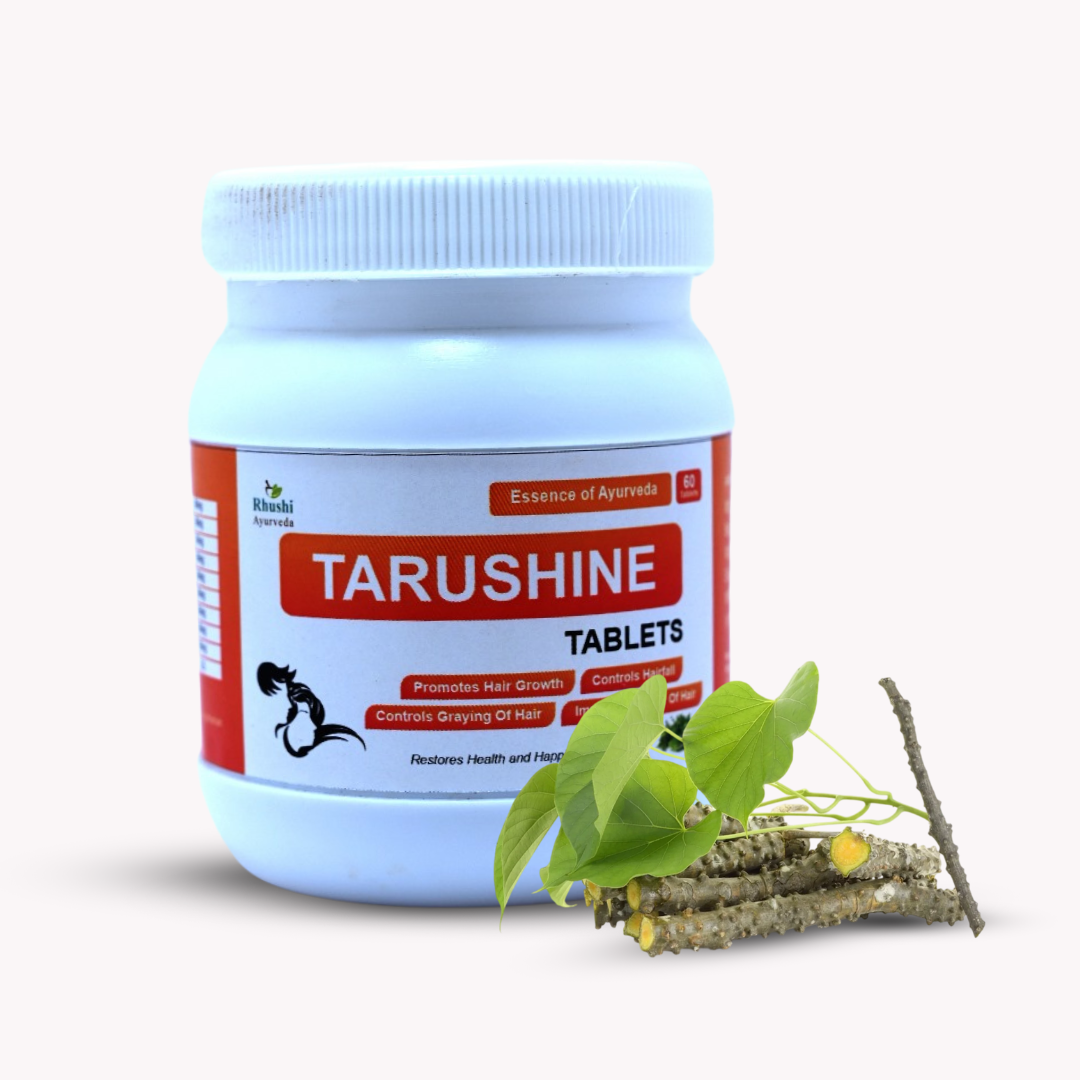

I’ve been dealing with hair fall, thinning, and dullness for over a year due to stress and a poor diet. I tried different oils and shampoos, but nothing worked from the inside. That’s when I decided to give Tarushine Tablets a try after a friend’s recommendation.
I’ve been taking it daily for about 6 weeks now, and the results are visible—my hair fall has reduced, the strands feel thicker, and there's a natural shine that wasn’t there before. Plus, even my nails are stronger!
I started using Tarushine Tablets after struggling with excessive hair fall and dullness for over 6 months. After trying many shampoos and oils with no lasting results, I thought of giving these Ayurvedic tablets a try—and honestly, I’m glad I did!
© 2025, Rhushi Ayurveda
Powered by Logam Digital